
Some labels showcase financial performances that would make the competition pale, while dragging behind them a host of controversies related to their social methods or environmental impact. Conversely, seemingly impeccable brands struggle to establish themselves, despite massive advertising campaigns that ultimately fail to retain their clientele.
No magic recipe exists for juggling profits, a polished image, and a values-driven discourse. The recent history of fashion is filled with brands propelled by media storms, or conversely, hindered by extreme transparency. Between internal decisions and external scrutiny, the balance remains fragile, and positions are never guaranteed.
What fashion brands really reveal: hidden strengths and exposed weaknesses
The fashion sector operates contrary to the polished narratives found in activity reports. Fast fashion continues to drive growth thanks to its agility and the flexibility of its logistics circuits, but behind the facade, human and ecological costs are accumulating. In contrast, brands with a more traditional positioning, particularly in children’s clothing, are feeling the full impact of declining birth rates and shrinking purchasing power. These realities translate into numbers: nearly 10% of global greenhouse gas emissions, 20% of industrial water pollution. It is safe to say that the stakes far exceed mere image or reputation issues.
To better understand the dynamics at play, the SWOT matrix continues to serve as a guide. Take the SWOT of Zara: formidable logistical efficiency, accelerated growth, but recurring criticisms regarding social and environmental issues, as detailed in Mademoiselle Camille’s analysis. At the other end of the spectrum, Burberry found itself at the center of controversy for destroying unsold goods to preserve its brand image: managing excess and prestige, two priorities that are sometimes incompatible.
Sector mutations are accelerating, often driven by investment funds or imposed restructurings. Some historic brands are forced to reinvent themselves: Petit Bateau caught in a buyout process, GPE under pressure, ID Kids facing closure of Catimini. Others, like Kiabi, prefer to reduce their assortment, lower prices, and adapt to fierce international competition. Meanwhile, consumers juggle their desire to consume more responsibly with the temptation of low costs, caught in contradictions that brands struggle to resolve.
Here are the main tensions currently running through fashion:
- Environmental responsibility: often sacrificed on the altar of immediate profitability.
- Product quality: weakened by overproduction and the pursuit of volume.
- Citizen expectations: increasingly high, sometimes completely out of sync with industrial reality.
Public image: between controlled storytelling and sometimes unpredictable perception
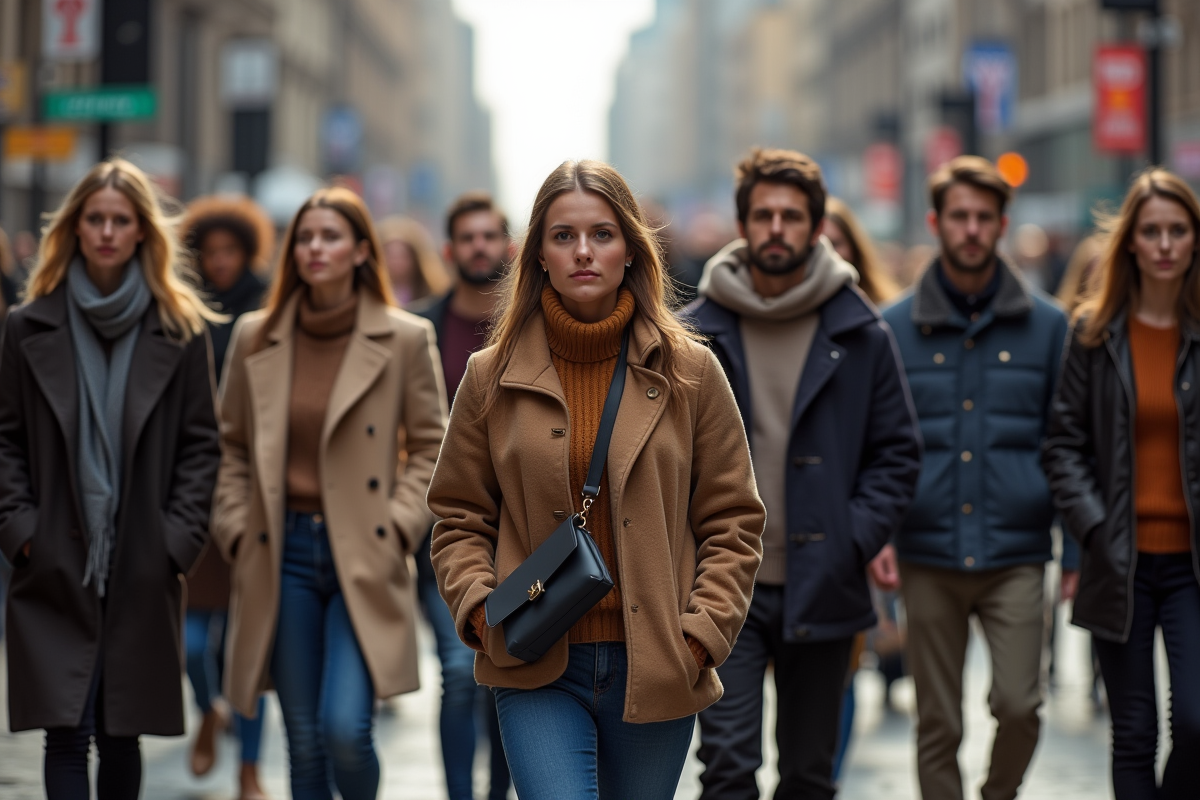
In fashion, each brand strives to carefully craft its story. The visual identity is refined in detail, marketing relies on social media, and communication targets connected young generations eager for newness. Influencers act as intermediaries, blurring the line between advertising and genuine engagement, while consolidating a direct link with their audience.
Houses like Chanel no longer hesitate to shake up the codes: digitalization of the in-store experience, technological innovations, collaborations with pop culture figures. Nowadays, reputation is built not in the plush salons of fashion shows but in the constant flow of Instagram or TikTok, on every shared story, every partnership forged with influential personalities, like Virgil Abloh and his digital galaxy.
But not everything is played behind closed doors. A single report, an investigation, can bring the darker side to light: questionable working conditions, pollution, opaque stock management. Citizen platforms, such as Make.org or Fashion Revolution, speak out and question the sincerity of commitments. Brands refine their communication, but public opinion, unpredictable and sometimes relentless, reminds us that trust remains fragile.
Three major axes dominate current expectations:
- Authenticity sought by younger generations
- Reputation exposed to viral storms on social media
- Environmental commitment has become a key criterion of credibility
Ultimately, fashion walks a tightrope. Between spectacular moves, questioning, and the demands of a more informed public, each brand finds itself facing a shifting mirror where the slightest flaw can cause everything to topple. It is now impossible to settle for a veneer: sincerity, or at least the appearance of coherence, is scrutinized closely. The next challenge? Reconciling promises, actions, and public perception; the true luxury of tomorrow may hinge on that transparency.