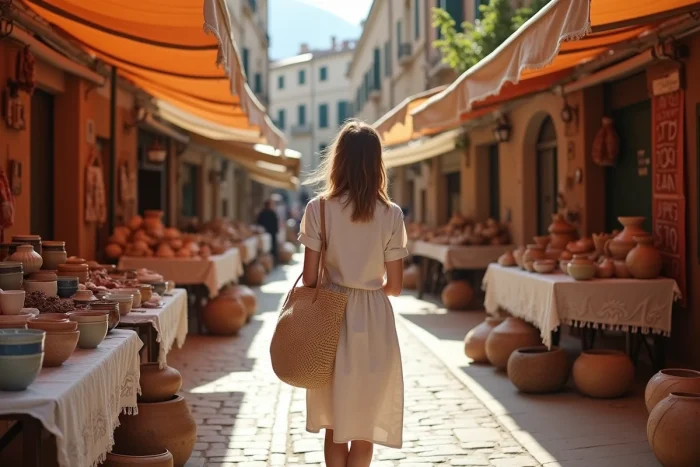
Between rehabilitated historic centers, artisanal concept stores, and farmers’ markets, Sardinia offers very different shopping experiences depending on the city and the season. Instead of listing dozens of shops, this article compares the main shopping areas in Sardinia to identify what truly distinguishes them: types of products, commercial dynamics, and value for money.
Shopping Areas in Sardinia: Comparison by City and Offer
Shopping in Sardinia is divided among four main hubs. Each targets a different buyer profile, with price ranges and specialties that do not overlap.
| City / Area | Dominant Specialty | Type of Shops | Recent Dynamics |
|---|---|---|---|
| Cagliari (historic center) | Fashion, craftsmanship, concept stores | Independent boutiques, “Made in Sardinia” collectives | Municipal program “Rinasce il commercio” since 2022 |
| Alghero (old town) | Coral, jewelry, ceramics | Workshop-boutiques, local shops | Commercial regeneration with extended hours in summer |
| Sassari (city center) | Textiles, regional products | Local brands, covered markets | Active fight against illegal street trading |
| Olbia / Costa Smeralda | Luxury, Sardinian gastronomy, local fashion | Specialized airport shops, high-end brands | Strengthening of the “last identity shopping” offer at the airport since 2023 |
This table highlights a often overlooked point: each Sardinian city has its own commercial identity. Cagliari focuses on contemporary craftsmanship, Alghero remains rooted in the tradition of coral, and Olbia bets on a premium positioning linked to Costa Smeralda.
For a deeper dive into the specific addresses in the city center of the Sardinian capital, a detailed guide lists the shopping streets and boutiques to explore during shopping in Cagliari on Top Beauté, neighborhood by neighborhood.
Artisanal Concept Stores in Sardinia: Filigree, Cork, and Wool
The most striking trend in Sardinian commerce in recent years is the rise of creator collectives grouped under the label “Made in Sardinia.” According to the 2024 report from the Chamber of Commerce of Cagliari-Oristano, these structures highlight three emblematic local materials.
- Sardinian filigree: a jewelry technique passed down through generations, concentrated in workshops in the south of the island. The pieces are handcrafted, which explains significantly higher prices than industrial jewelry.
- Gallura cork: the northeast region of Sardinia is one of the main cork production areas in the Mediterranean. Artisans transform it into bags, accessories, and decorative items sold in concept stores in Cagliari and Olbia.
- Sardinian wool: used for rugs, blankets, and clothing, it comes from sheep farms in the interior of the island. Collectives prioritize a short supply chain and complete traceability.
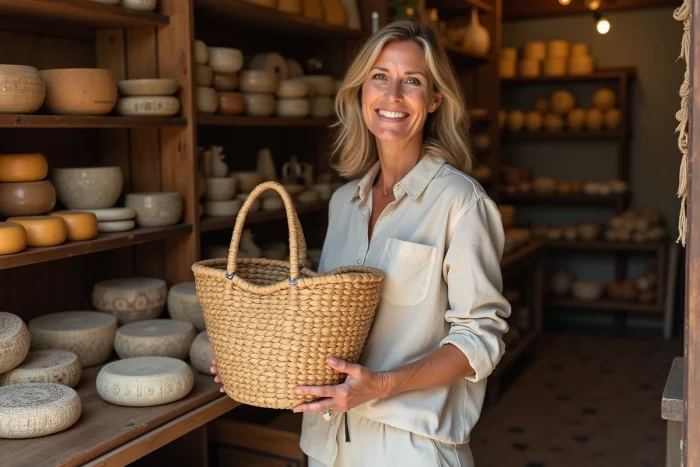
These shops differentiate themselves from mass souvenirs by an explicit focus on provenance. A woven basket sold in a “Made in Sardinia” concept store displays its village of origin and the artisan’s name. This model attracts customers looking for something other than generic items from tourist areas.
Commercial Regeneration Programs in Cagliari, Sassari, and Alghero
Sardinia’s historic centers face the same problem as many Mediterranean cities: the proliferation of empty storefronts under the pressure of peripheral shopping centers. Since 2022, several municipalities have responded with concrete measures.
In Cagliari, the “Rinasce il commercio” program offers reduced temporary rents to young creators who set up in vacant premises in the city center. The initiative, presented to the city council in 2022, has been extended in 2024. Sassari and Alghero have adopted similar approaches, with coordinated opening hours in the summer evenings and cultural activities at night.
Impact on the Downtown Shopping Experience
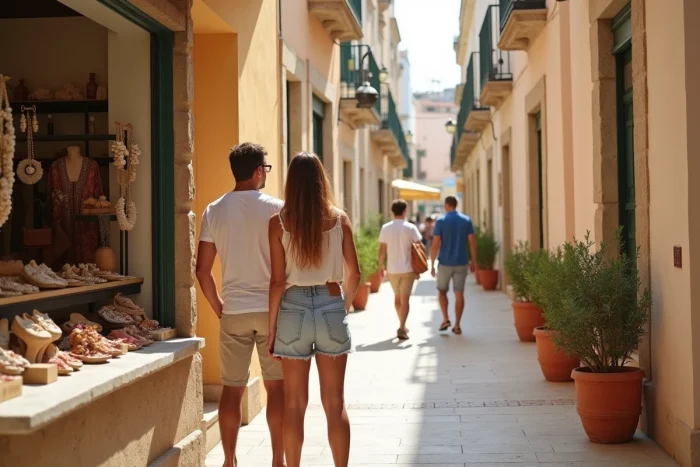
For visitors, these programs change the game in a tangible way. The shopping streets of Alghero remain lively late into the evening during the summer season, allowing for a combination of strolling and shopping without enduring the afternoon heat. In Cagliari, the concept stores established through reduced rents renew the offering with local brands that were not available a few years ago.
In contrast, Sassari focuses its efforts on another front: combating illegal street trading, documented by the local Prefecture. Enhanced controls aim to protect registered artisans and ensure the authenticity of products sold to tourists.
Olbia Costa Smeralda Airport: Reimagining Last-Minute Shopping
Olbia Airport has taken a strategic turn since 2023 by strengthening its offer of specialized shops for Sardinian products. The logic is that of “last identity shopping before departure”: local gastronomy, craftsmanship, and Sardinian fashion, concentrated in an area accessible after security checks.
This positioning responds to a simple observation. Many travelers spend their stay on the beaches of Costa Smeralda without visiting Cagliari or Sassari. The airport then becomes their only point of contact with Sardinian craftsmanship. The shops offer ranges tailored for cabin baggage: small bottles of olive oil, artisanal pasta, filigree jewelry, and cork accessories.
Comparison with City Center Prices
Products sold at Olbia Airport logically display higher prices than their counterparts in city center shops. The price difference mainly reflects airport rent and careful packaging, not a difference in quality. For travelers with time, a detour through downtown Olbia or the markets of Porto Torres allows for comparable products at better prices.
Sardinia is not limited to a single type of shopping. The craftsmanship of Cagliari, the coral of Alghero, and the premium boutiques of Olbia cater to different expectations. The choice of city conditions both the shopping experience and the budget, and the commercial regeneration programs in historic centers make visiting the old towns more interesting than a few years ago.